The ILRI 2019 Annual Report> It begins in the lab
Food safety interventions: Reducing risks from traditional pork value chains in Cambodia and Vietnam

A package of interventions focusing on improving sanitation and hygiene conditions in traditional pork value chains can help enhance the safety of food in the developing country context
By Chi Nguyen
ILRI scientists and their partners have developed and evaluated various food safety interventions at small-scale slaughterhouses and traditional markets in Cambodia and Vietnam to determine which practices can best contribute towards safer, more hygienic pork in the two countries.
Pork is the most important animal-source food in Cambodia and Vietnam. Largely produced on small-scale farms and providing livelihood opportunities for millions of smallholders, pork is primarily processed and distributed through traditional slaughterhouses and open market outlets. While these outlets meet local demand, there are some concerns that they face hygiene and food safety challenges.
The research findings were developed under the auspices of projects sponsored by the Australian Centre for International Agricultural Research (PigRISK and SafePORK projects in Vietnam) and the United States Agency for International Development Feed the Future Innovation Lab for Livestock-funded Safe Food, Fair Food project in Cambodia (SFFF).
These approaches were designed to be owned locally and have good potential for scaling up.
The research showed that microbial risks through improper hygiene and cross contamination are likely to cause most food safety concerns and health impacts. Results from a survey conducted from September 2018 to March 2019 at selected traditional markets in four provinces in Vietnam showed high levels of contamination of pork with Salmonella (64%). In Cambodia, a market assessment by SFFF conducted from October 2018 to August 2019 in 25 provinces showed a high level of biological contamination of pork with Salmonella (43%) and Staphylococcus aureus (31%).
Given that various approaches such as Good Agricultural Practices (GAP), certification and traceability have been tried with marginal uptake, ILRI’s research team, in conjunction with government partnerships, undertook a number of new interventions using a standardized approach that included risk assessments, participatory diagnostic, formative research, and pilot testing of intervention approaches.
Interventions at slaughterhouses in Vietnam included the use of tailored stainless-steel grids to avoid floor slaughter; frequent washing of hands of slaughterers and surfaces; and better separation of clean and dirty zones, to help reduce contamination of carcasses. A stainless-steel grid had been successfully piloted and was further evaluated in the project.
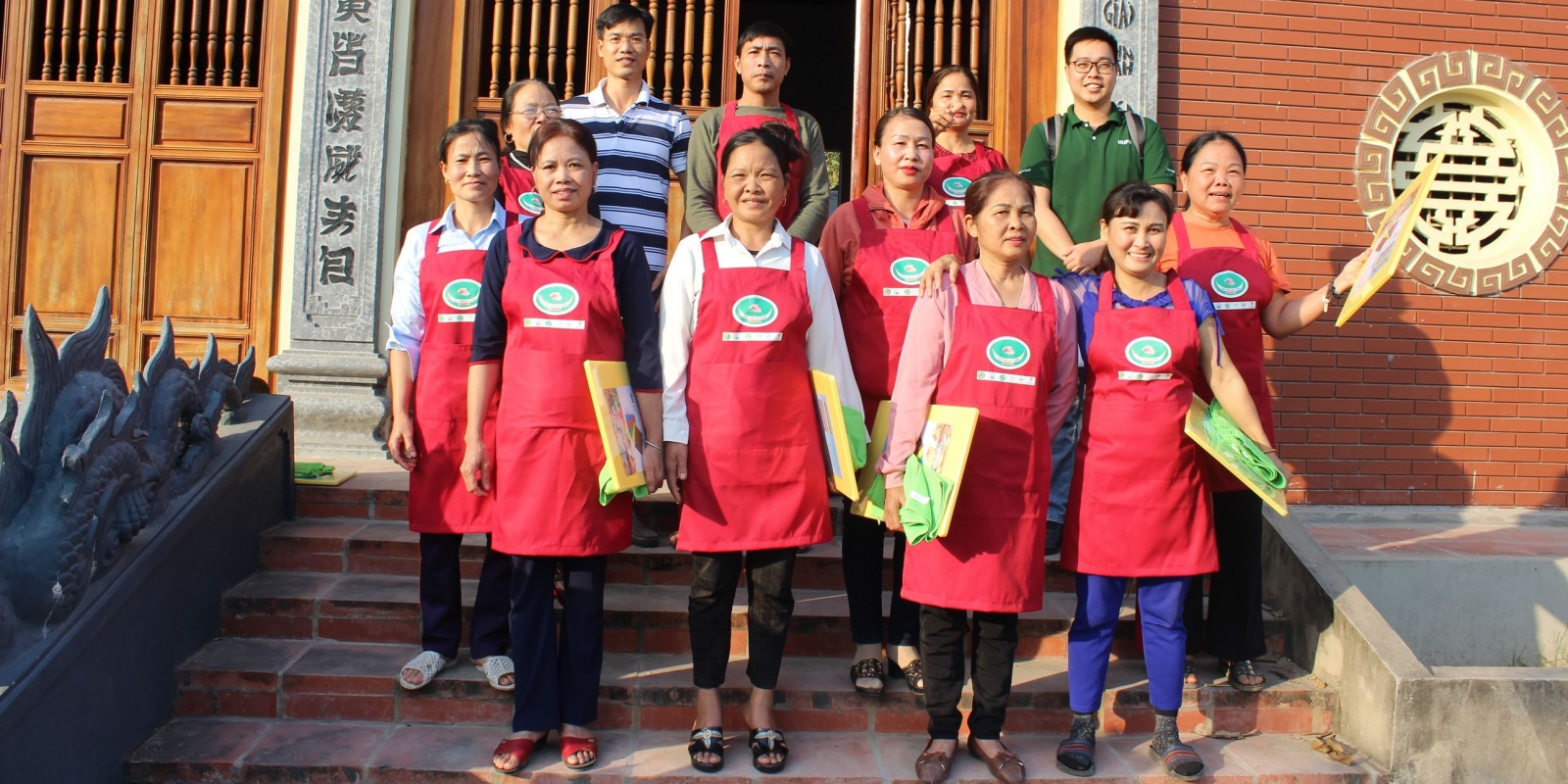
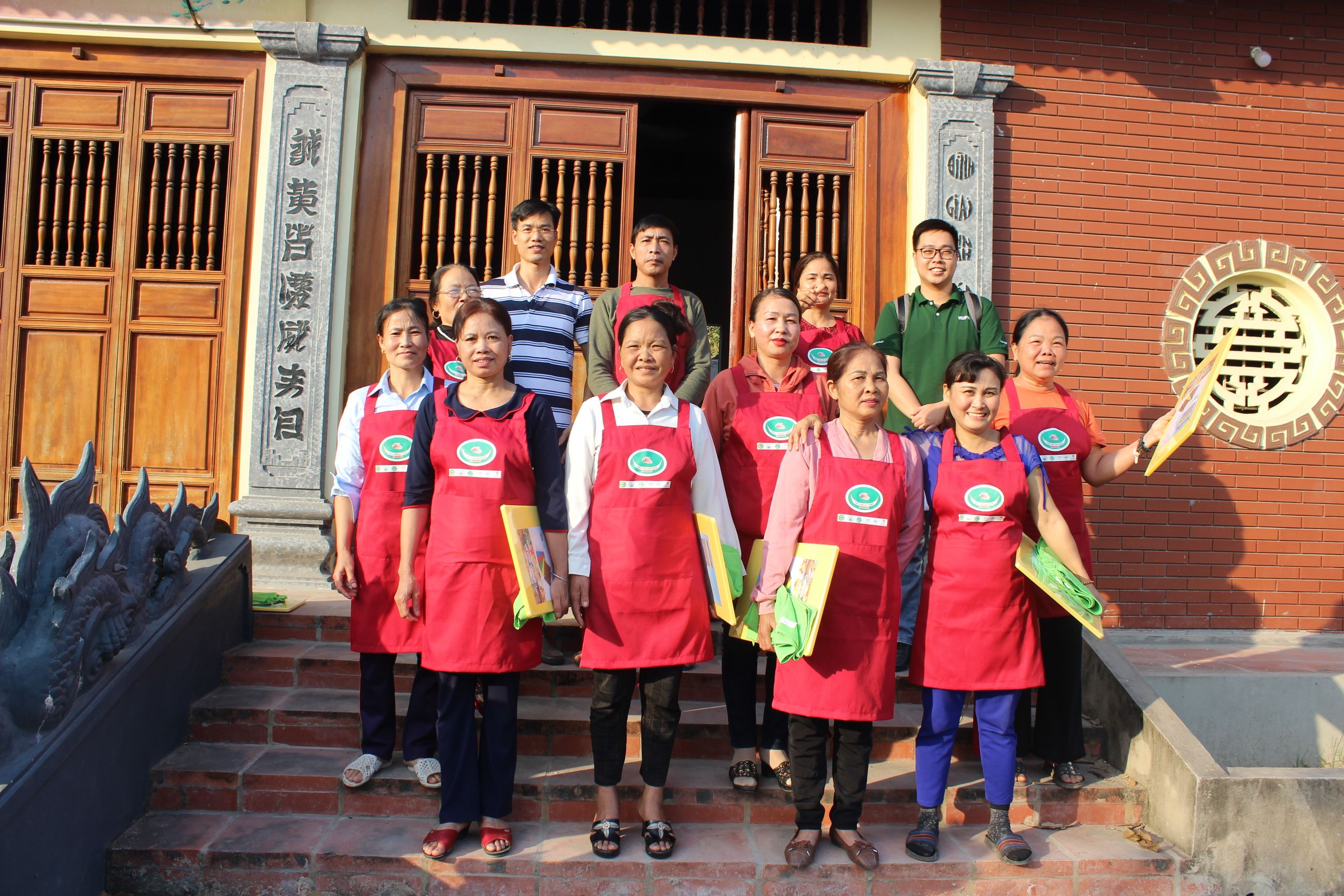
At traditional retail markets, researchers introduced more hygienic practices such as separation of ready-to-eat and raw pork or intestines and frequent washing of meat-selling surfaces and hands of sellers. Interventions at retail markets were supported by promotion of good-hygiene-pork branding to retailers and formative research. Beginning in July 2019, selected retailers in Vietnam received hygienic cutting boards to test their feasibility for daily use. In Cambodia and Vietnam, training programs in good hygiene practices were scheduled for local inspectors and retailers. Similar interventions are being implemented in Cambodia.
The pilot trial and experience demonstrated that technical solutions need to go along with behaviour change of butchers and retailers.
This desired behavioural change of pork value chain actors can be supported by the ‘nudge theory’, which describes how individuals can be encouraged to act in a way that produces a net societal benefit. Project team members partnered with researchers from the Royal Veterinary College in the United Kingdom who provided expertise on ‘behavioural nudge’ research.
The nudge research comprised focus group discussions, key informant interviews and a stakeholder workshop to gain information from value chain actors on potential ‘nudges’ that could support food safety interventions at slaughterhouses and retail outlets. The research is ongoing, and the next step is a trial to test a site-specific nudge at retail by using positively or negatively framed coloured posters with food safety messages. This will allow a formal assessment of the nudge’s impact on behaviour of targeted retailers.
Initial results from the ongoing interventions showed a trend for hygienic improvements with reduced total bacterial counts at both retail markets and slaughterhouses in Vietnam. Results from participatory diagnostic tests demonstrated the willingness of most actors to improve their practices, but the level of compliance varied widely. Retailers preferred the use of cheaper, locally produced equipment, such as local cutting boards versus imported ones. Butchers and pork retailers also appreciated the incentive-based approach promoted by the research team. This included in-cash offers, increased pork sale volume, better reputations and the promotion of a good-hygiene-pork brand.
ILRI and partners will start scaling up successful interventions in mid-2020. In Vietnam, this is planned to be done with the support of local sub-departments of animal health and possibly through other upcoming large-scale food safety initiatives in Vietnam. In Cambodia, upscaling is expected to be carried out in partnership with the National Animal Health and Production Institute (NAHPRI) through the provincial animal health systems from September 2020 onwards.