Health agencies today are being overwhelmed by multiplying challenges—from the health harms of climate change, to newly emerging as well as endemic (persistent) infectious diseases, to the rise of antibiotic-resistant pathogens that threaten human and animal health alike, to a growing risk of contracting foodborne diseases in developing countries, where the burden of unsafe food is heaviest. That we are not managing to get ahead of the curve is due largely to the following.
Emerging zoonotic diseases: Zoonoses—diseases transmitted between animals and humans—cause 60% of all human infections and 75% of all newly emerging infectious diseases; these new diseases, appearing with ever greater frequency, receive the lion’s share of zoonotic health expenditure, especially when, like COVID-19, they grow into pandemics costing millions of lives and billions to trillions of dollars globally.
Endemic zoonotic diseases: Many endemic but preventable zoonotic diseases such as brucellosis continue to be neglected even as they continue to burden poor people in developing countries, where they today are estimated to cause 2.4 billion illnesses and 2.2 million deaths every year.
Foodborne diseases: Highly perishable milk, meat and eggs are especially susceptible to disease-causing bacteria and other microbes. Unsafe food causes more than 400,000 deaths and 600 million illnesses annual worldwide, costing poorer countries USD110 billion per year in lost productivity and medical expenses.
Diseases resistant to antimicrobial drugs: Overuse of antimicrobial medicines used to treat infections in humans and animals, including in livestock production, is leading to infections becoming resistant to all treatments. An estimated 700,000 people die every year as a result, 9 out of 10 of these in poorer countries, potentially costing the world up to USD3.4 trillion a year by 2030.
Diseases transmitted by wild animals: Increasing losses of wildlife populations and their habitats and a growing unregulated trade in wild animal meat are encouraging disease pathogens to pass from wildlife to people, often via domestic livestock.
We cannot and should not continue with our patchwork of responses to disease and our piecemeal health interventions, building discrete resources to deal first with one devastating disease, and then another and then yet another. We’re going to need collective, joined-up, productive and proactive action to address these health threats. We’re going to need expanded ways of thinking and new kinds of institutions to battle both the newly emerging and the persistent disease threats affecting poor as well as rich communities. We’re going to need to close the many disconnects between disciplinary, sector and ministerial silos. And we’re going to need to end the boom-and-bust funding cycles that have been employed to date to tackle zoonoses and other global health threats.
Livestock determinants of One Health
Launched today is a new investment brief from the International Livestock Research Institute (ILRI) offering investors 18 ways to help transform One Health and take it to scale. Each of these recommended actions significantly enhances the diverse livestock systems that are the mainstay of food systems across the developing world.
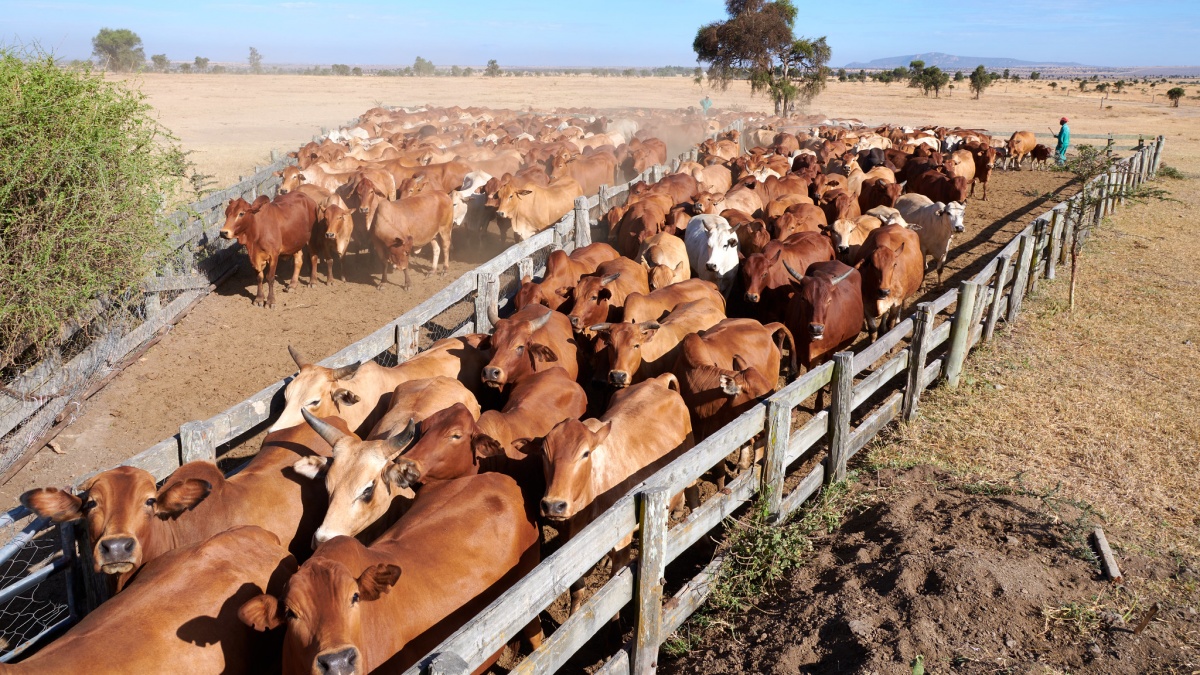
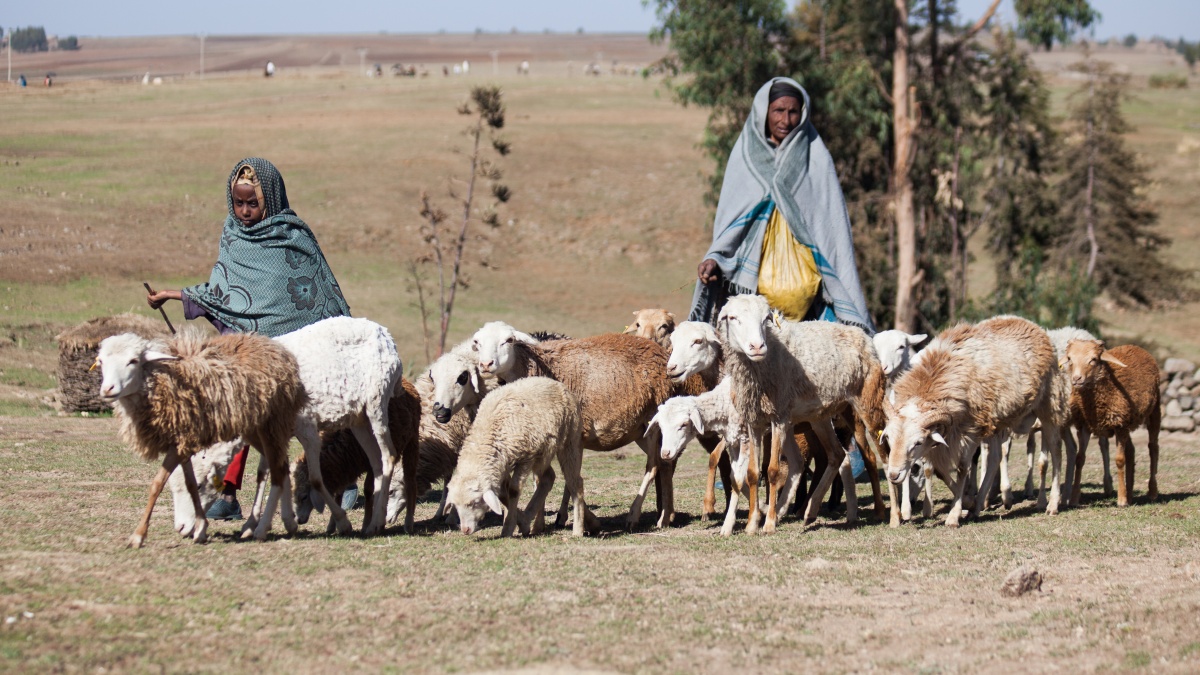
Healthy farm animals—camels, cattle, buffalo, sheep, goats, pigs, poultry—are readily available raw materials that can build global resilience to rising health threats.
The rationale for focusing on the small-scale livestock systems of the South is considerable. First, as ILRI Director General Jimmy Smith recently pointed out:
It’s impossible to overstate the importance and ubiquity of livestock in countries across Africa, Asia and Latin America. Everything from food and nutrition to gender equality, livelihoods and trade depend on farm animals. . . . Livestock’s prevalence in developing countries make them a unique vehicle through which to improve the lives of the most vulnerable and, in doing so, also protect health gains the world over.
Second, the world’s food-producing animal populations and systems impact many realms, from agriculture and food systems to food and nutritional security, poverty reduction, public health and environmental protection. Third, several persistent and newly emerging human health threats—particularly those stemming from zoonotic diseases, climate change and environmental degradation—involve animals. And, fourth, investing in ‘multi-solving’ livestock options generates a wealth of benefits that cross many sectors; adopting a more focused ‘livestock lens’ can thus make One Health initiatives more impactful, efficient, equitable and sustainable.
Specific recommended investments
The recommended actions—9 of them core and 9 of them supporting One Health work—recommended in ILRI’s new One Health investment brief, with their multiple cross-sector benefits, emerged from an earlier ILRI investigation of One Health challenges in the world’s low- and middle-income countries that are best addressed through interventions in the livestock sector. (See: Livestock pathways to 2030: One Health—A series of briefs highlighting seven key areas for governments, investors, experts and policymakers; ILRI, 2021.)
These livestock-based One Health investment options generate win-win-win outcomes for people, animals and environments by tackling One Health challenges in the following ways.
(1) Emerging zoonotic diseases such as COVID-19, severe acute respiratory syndrome (SARS), Rift Valley fever and monkeypox can and should be detected early in wild and domesticated animals, stopping them there, before they can jump to people.
(2) Neglected endemic zoonotic diseases such as brucellosis, cysticercosis and echinococcosis (tapeworms) can and should be better controlled to reduce the enormous and preventable burden they continue to place on people in low- and middle-income countries.
(3) Livestock-derived foods—milk, meat, offal, eggs—can and should be produced and handled safely by farmers and marketers, protecting consumers of these highly perishable as well as nourishing foods from contracting disease due to contamination by bacteria and other pathogens.
(4) Use of antibiotics and other antimicrobial drugs can and should be applied fairly as well as safely to prevent and treat animal diseases afflicting small-scale livestock keepers while also protecting the long-term viability of these essential drugs for medical and veterinary treatments.
(5) The environments that both wild and farm animals inhabit can and should be protected from soil and water degradation, imprudent land use and uncontrolled human encroachment to protect biodiversity and maintain healthy ecosystem services and animal populations.

 Cynthia MugoPolicy and Engagement Advisor(ILRI)


Participate